



Blog
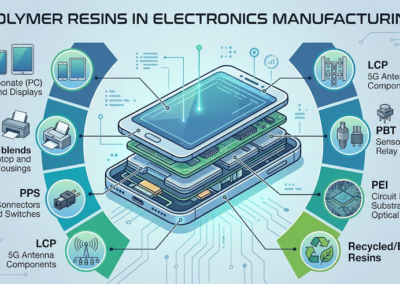
Polymer Resins in Electronics Manufacturing: A Guide to Engineering Plastics for Electronic Components
Polymer resins are a foundational material in electronics manufacturing, used in everything from circuit board housings and connectors to EV battery enclosures and 5G infrastructure. As devices get smaller, faster, and more thermally demanding, engineering resins like polycarbonate, PC-ABS, PPS, and LCP are steadily replacing metals and lower grade plastics. This guide covers the resin grades commonly used in electronics, the benefits driving the shift, the applications where polymers are now standard, and where the industry is headed next. Types ...

Why Partnering with a Thermoplastic Resin Compounder is Your Competitive Advantage
In today's high-stakes manufacturing environment, companies utilizing engineered thermoplastic resins are under constant pressure to improve part performance, slash cycle times, and stabilize supply chains. While many procurement teams source raw materials from global chemical producers or broad-line distributors, there is a growing strategic advantage in partnering directly with an independent thermoplastic resin manufacturer (compounder). A compounder is not a reseller. They are a specialized manufacturer that engineers high-performance materials. They act as a technical extension of your own manufacturing ...
Design Considerations for PC/ABS & PC/PBT Resins
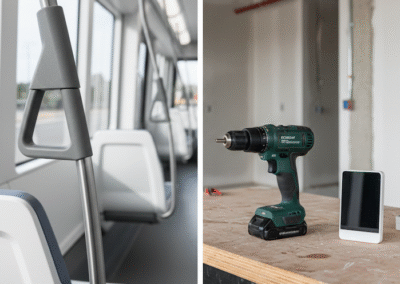
Designing components for the construction and transportation verticals is a high-stakes endeavor. There is almost zero margin for error, which means you have to have absolute trust in the materials you specify. Whether it’s an interior panel for a mass transit vehicle or the housing for a building’s electrical system, the material must do more than just fit a mold. It has to protect, survive, and mitigate liability. Exposure to fluctuating temperatures, harsh cleaning chemicals, and high-impact environments means that ...
Beyond Name Brands: Alternatives to Cycoloy, Noryl, Valox & Xenoy for Medical and Electrical Applications
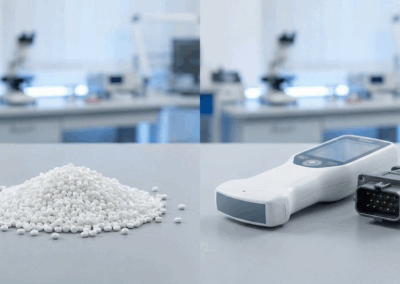
For decades, the engineering resin market has been dominated by a few household names. If you design medical devices or electrical components, you know the list: Cycoloy, Noryl, Valox, and Xenoy. These SABIC products have set the standard for performance. However, relying exclusively on global giants for your supply chain comes with risks. In today’s manufacturing landscape, agility is just as critical as mechanical properties. Engineers are increasingly facing extended lead times, restrictive Minimum Order Quantities (MOQs), and a lack ...

The Tariff Landscape: How to Select Cost-Effective Engineering Resins Under Rising Import Duties
The U.S. resin market is entering a new era of cost pressure. Actually, we’re in the midst of it, reasonably speaking. With tariffs of 10–25% imposed on imported plastics and engineering resins from countries such as China, Canada, and Mexico, many manufacturers are reevaluating their sourcing strategies. For OEMs, molders, and procurement teams, the difference between domestic and imported resins in 2025 could mean the difference between protecting margins or facing unexpected cost spikes. Polymer Resources, with all manufacturing based ...
